

Tea Time
A History of Tea Rituals

Tea lovers, this article is for you (*drinks tea morning, noon, and night*). For me, tea is a personal ritual. I have really gotten into warm beverages lately after discovering the health benefits warm liquids have for women / on the stomach. Tea is one of those that I can just drink all day. I have a large variety of both caffeinated and herbal. Some taste better with milk — others without.
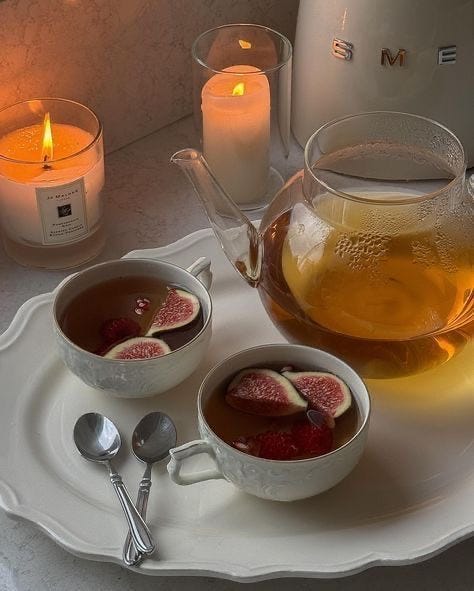
Besides being a personal ritual, tea time is actually a ritual that has a deep and rooted history throughout many cultures, even carrying over into some cultures in present day. Let’s go over it.
As Ancient History goes, tea was discovered in China and consumed mostly for its medicinal properties beginning around 206-220 BCE during the Han Dynasty. During the Classic age, tea became China’s national drink, and expanded to other countries like Japan, India, and Britain through trade.
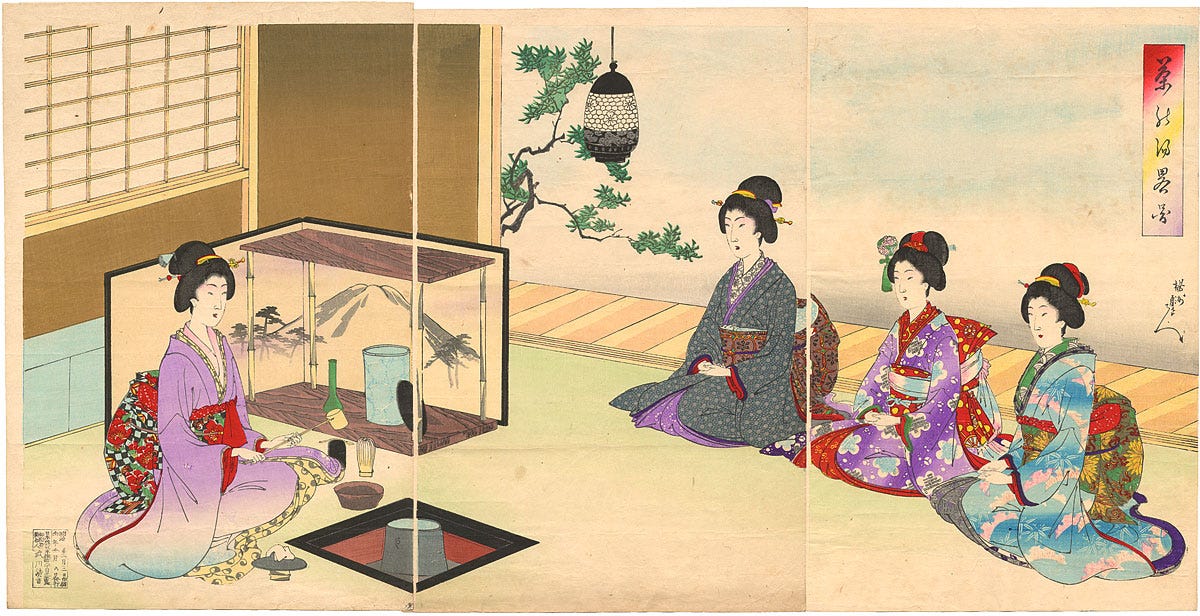
In Japan, tea became a staple within Buddhist culture by evolving into a ritual called the Chanoyu Ceremony. This is a meditative practice of serving powdered green tea in a traditionally matted room. This ritual emphasizes harmony, respect, purity, and tranquility. The ceremony focuses on the aesthetic appreciation of utensils and the mindful interaction between host and guests.
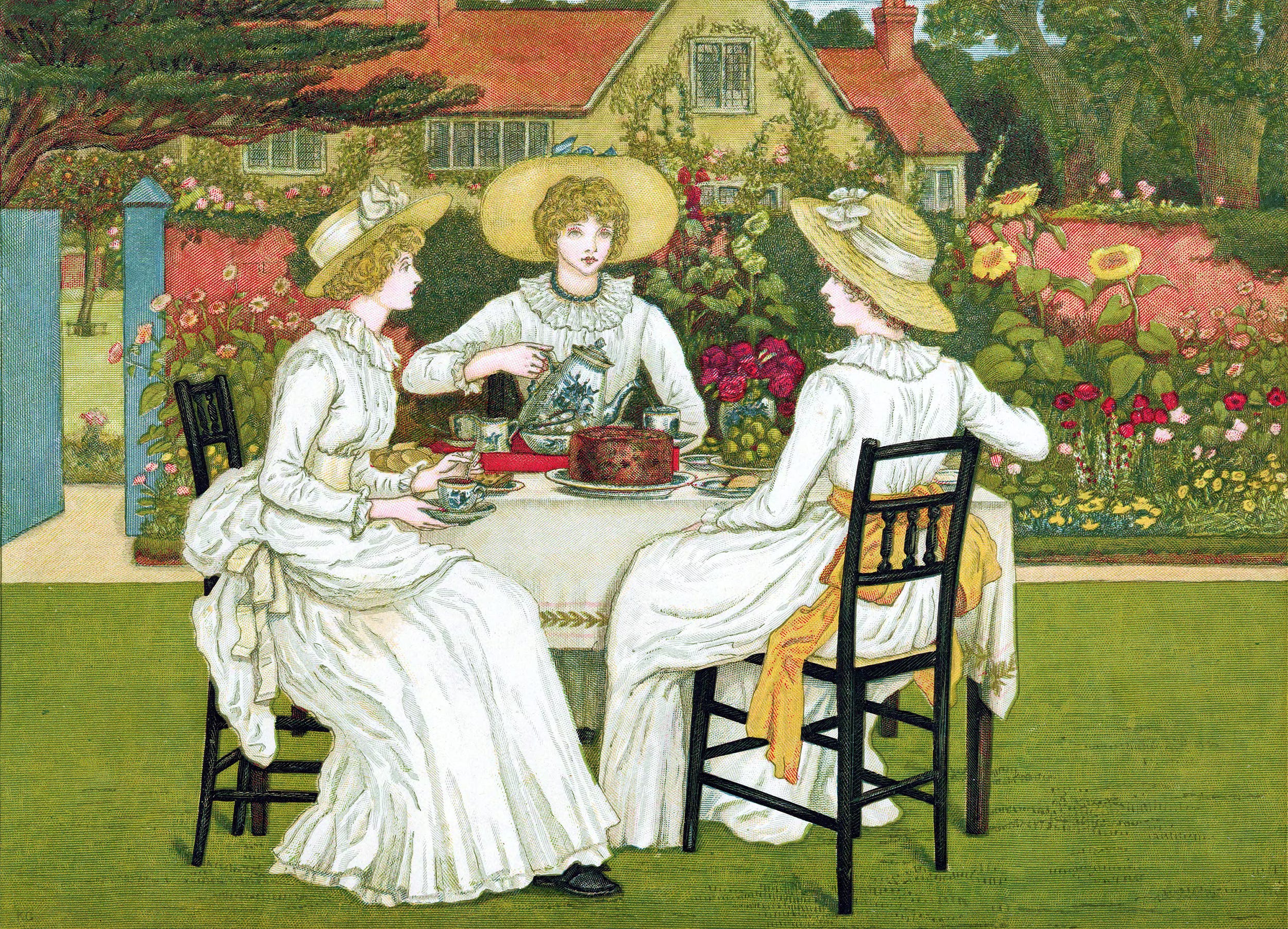
Within British history, there are several different types of tea used in different societal classes. “Low Tea” or afternoon tea, was something that was more popular among elites to ward off hunger in the period between a light lunch and a late dinner. It was popularized by Anna, 7th Duchess of Bedford.
Contrastingly, “High Tea” was a ritual that was used more among the working class. This would take place in the evening around 5-7pm, and was historically a hearty meal with heavy dinner-like dishes, rather than a light snack for the elite.
Within Indian history, the chai ritual was bridged between British and Indian influence. To make tea affordable for most people, vendors began using leftover tea dust and distributing it. They added milk, sugar, and heavy spices to mask the bitterness, as an act of rebellion against the heavy rules and standards Britains had for drinking plain black tea.
In India, there aren’t necessarily as many cultural rituals as there are basic expectations. For example, if a guest enters your home, it is standard practice to offer them a cup of chai with biscuits or savory snacks.
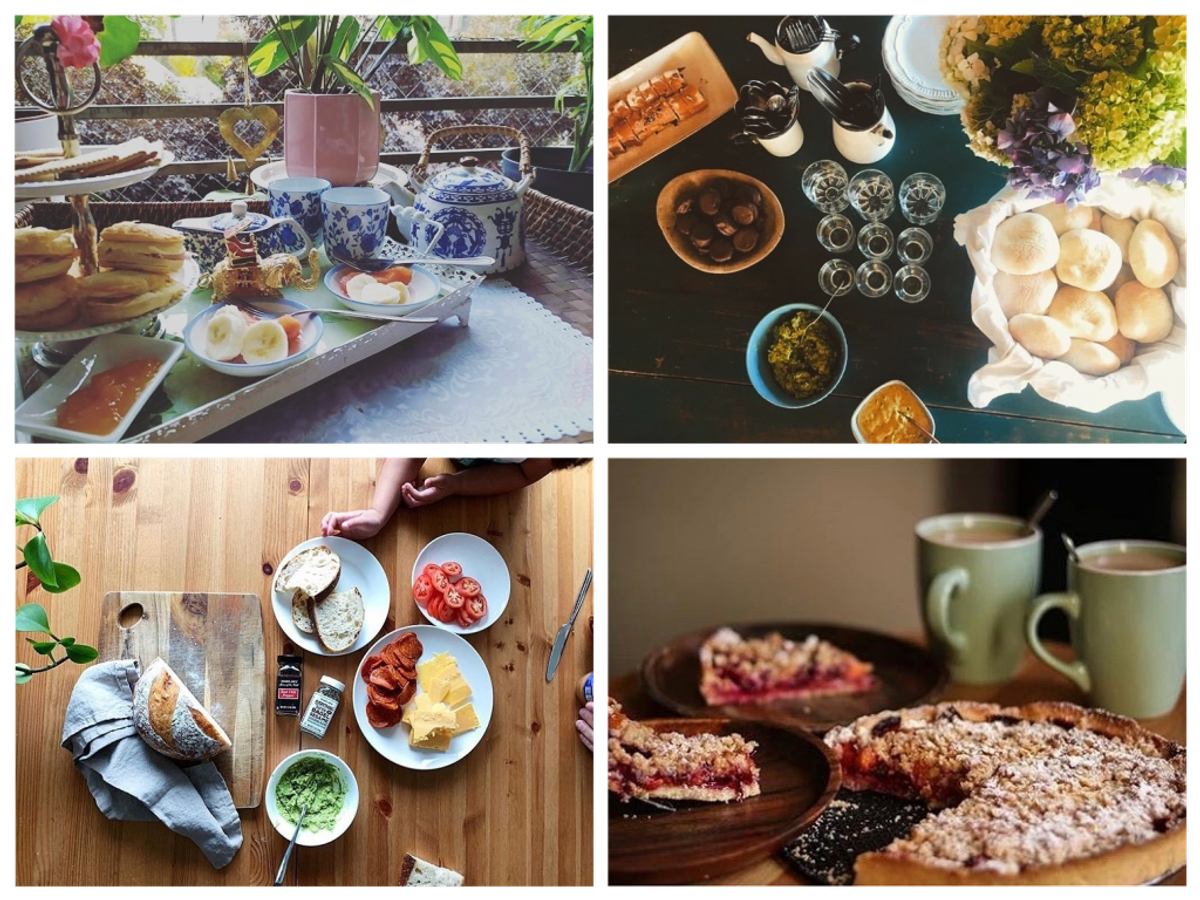
My family is from Chile, and I wanted to include their tea rituals in here as well because I’ve heard about them my whole life. In Chile, daily tea time is called “La Once”. It serves as a late evening ritual/social gathering that often replaces dinner. It usually involves black tea or coffee paired with bread (hallullas), avocado, cheese, jam, and sweets. It’s known as a time for family, friends, and conversation.
The cultural impact of this tea time is incredibly large. It serves as an important household routine for all of Chile. During this time, cafes are also packed. It is usually something that is considered separate from dinner, but if it turns into an “once-comida” (tea/dinner), usually leftovers are consumed during this time. Tea time here can essentially be considered a 4th meal.
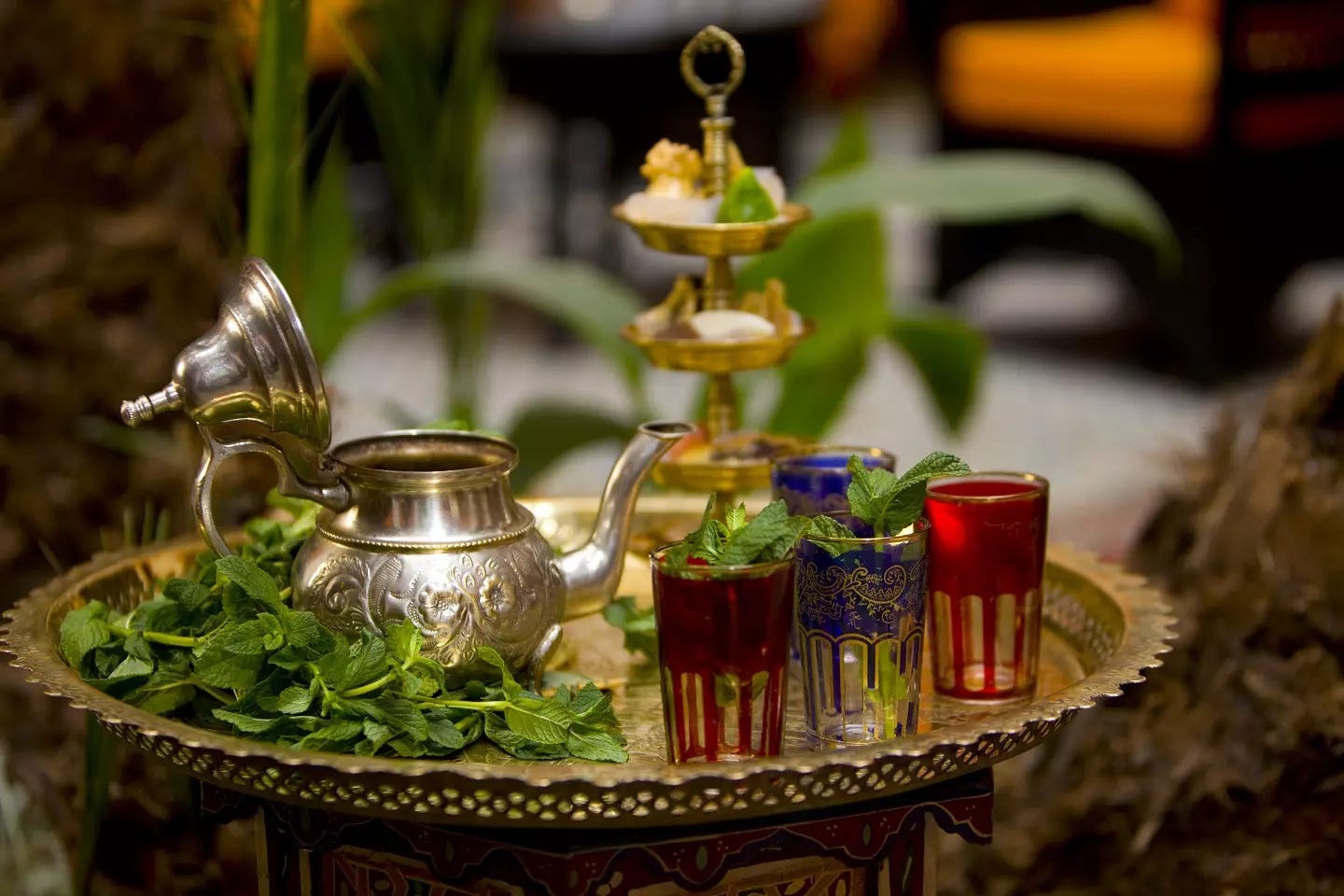
In Morocco, tea is a key symbol of hospitality and friendship. The ritual includes 3 different flavor profiles in different glasses to symbolize life, love, and death. Commonly, they brew spearmint, gunpowder green tea, and sugar together in a teapot.
Something specific to Moroccan culture is the silver teapot and the high pour. This is the ritual of pouring tea from 12 inches above the cup to create a light foam on top of the liquid, indicating a well made brew.
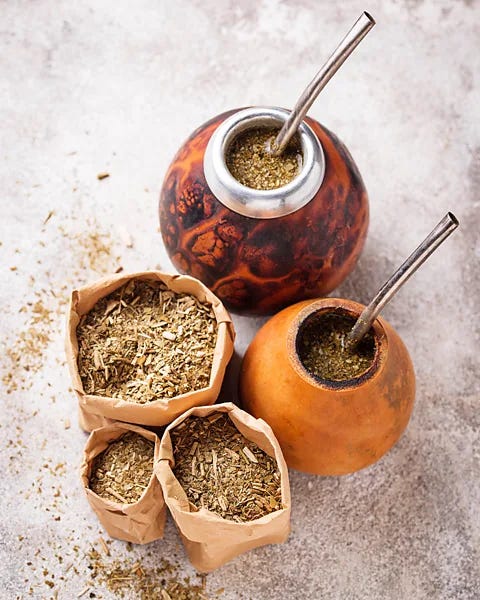
Certain South American countries like Argentina, Paraguay, and Uruguay, practice a ritual with yerba mate tea. During this ritual, the “cebador” (server) prepares the tea in a single gourd. They are then entitled to the first bitter sip, and will continue passing the same gourd around to everyone present. Everyone will drink from the same gourd, which symbolized unity among family, friends, and even strangers.
This sacred ritual has been around for a number of years. Now, cafes offer more personalized individual settings to drink mate, and some drinkers have begun experimenting with other floral flavors such as mint, citrus, and even chai.
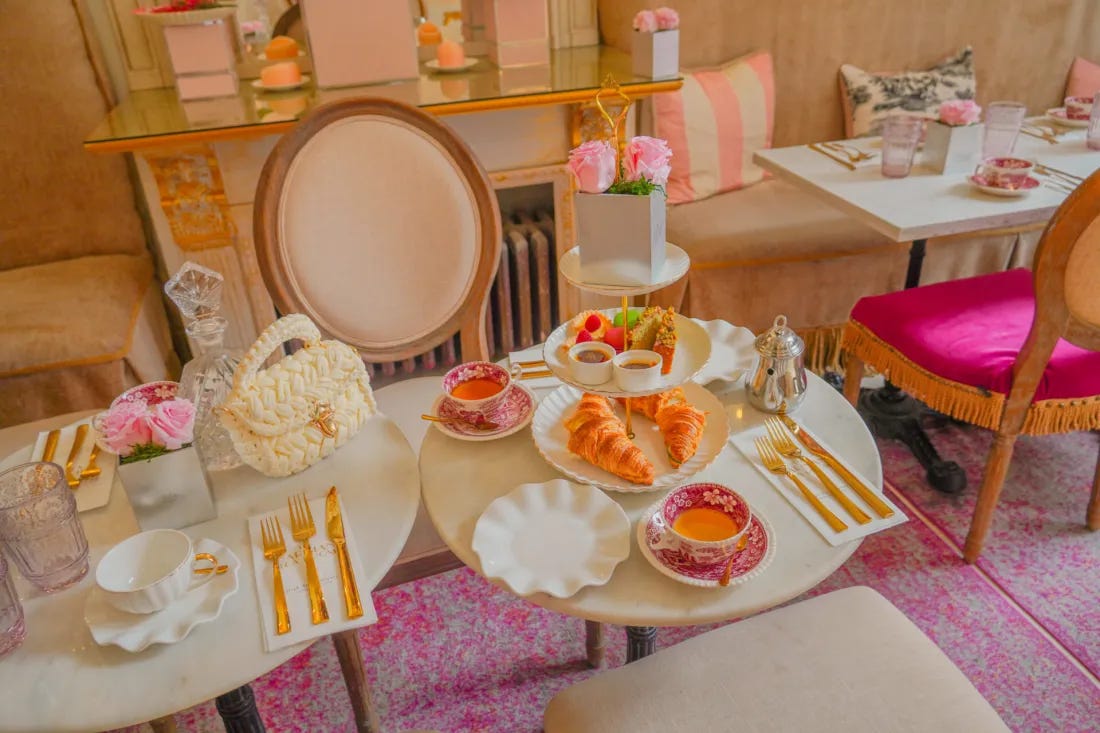
Here in America, there are tea parlors all across the country that offer different variations of “afternoon tea” or “cream tea”.
Afternoon tea is typically served with savory sandwiches, scones, and sweets, while cream tea is usually just with scones or a lighter pastry.
I personally have been to a quaint birthday party and a bridal shower at the same local tea parlor, and I can say the experience was pleasant. It felt very refined, luxurious, and a wonderful activity to spark conversation among friends and family.
Instead of just drinking tea, I think it is important to develop personal tea rituals even if you don’t necessarily live somewhere where it is the norm. These rituals require the people who participate to slow down and find connection. Not to mention, tea is incredible in terms of health benefits and taste.
Here is a list of my favorite teas currently:
Earl Grey - https://amzn.to/4rqHJf1
Cranberry Blood Orange - https://amzn.to/4usfyzc
Vanilla Chai - https://amzn.to/4byHeL4
Sleepytime Herbal - https://amzn.to/4lwrHPl
Daily Beauty (Lavender and Blueberry Herbal) - https://amzn.to/4cGIzk3
I have included Amazon links for convenience and reference to these teas. I would never recommend anything I haven’t personally tried / loved myself!
I hope this article inspired someone out there today to make their tea time/rituals more intentional. I think younger versions of us had the right ideas when we would host tea parties for our stuffed animals. Let’s normalize inviting friends over for tea-time again!
If you’d like more information on the history of tea rituals, here is a link to a really popular one that I enjoy on Amazon called The Book of Tea. - https://amzn.to/4ljcyAO
Thanks for reading!
I love tea so I enjoyed reading this! Very rich
Teas are amazing